Share


Executive Summary:
AI-driven discovery is gaining consumer adoption faster than advertisers are allocating dollars. Paid investment remains largely experimental as marketers wait for stronger evidence of performance, measurement, scalability, and brand control. Brands are investing in organic AI visibility, including generative engine optimization (GEO), content optimization, and strong third-party and earned-media presence, as the customer discovery journey evolves. Near-term opportunities are emerging with tools and services supporting AI-driven discovery, while portfolio companies may need to rethink how they reach and convert customers.
AI Advertising Is Entering Media Plans, but Spend Remains Experimental
The rapid adoption of generative AI is creating a new consumer discovery channel and, with it, a potentially meaningful advertising opportunity. As consumers increasingly use AI platforms to research products, compare options, and make purchase decisions, brands have new opportunities to engage audiences at high-intent moments.
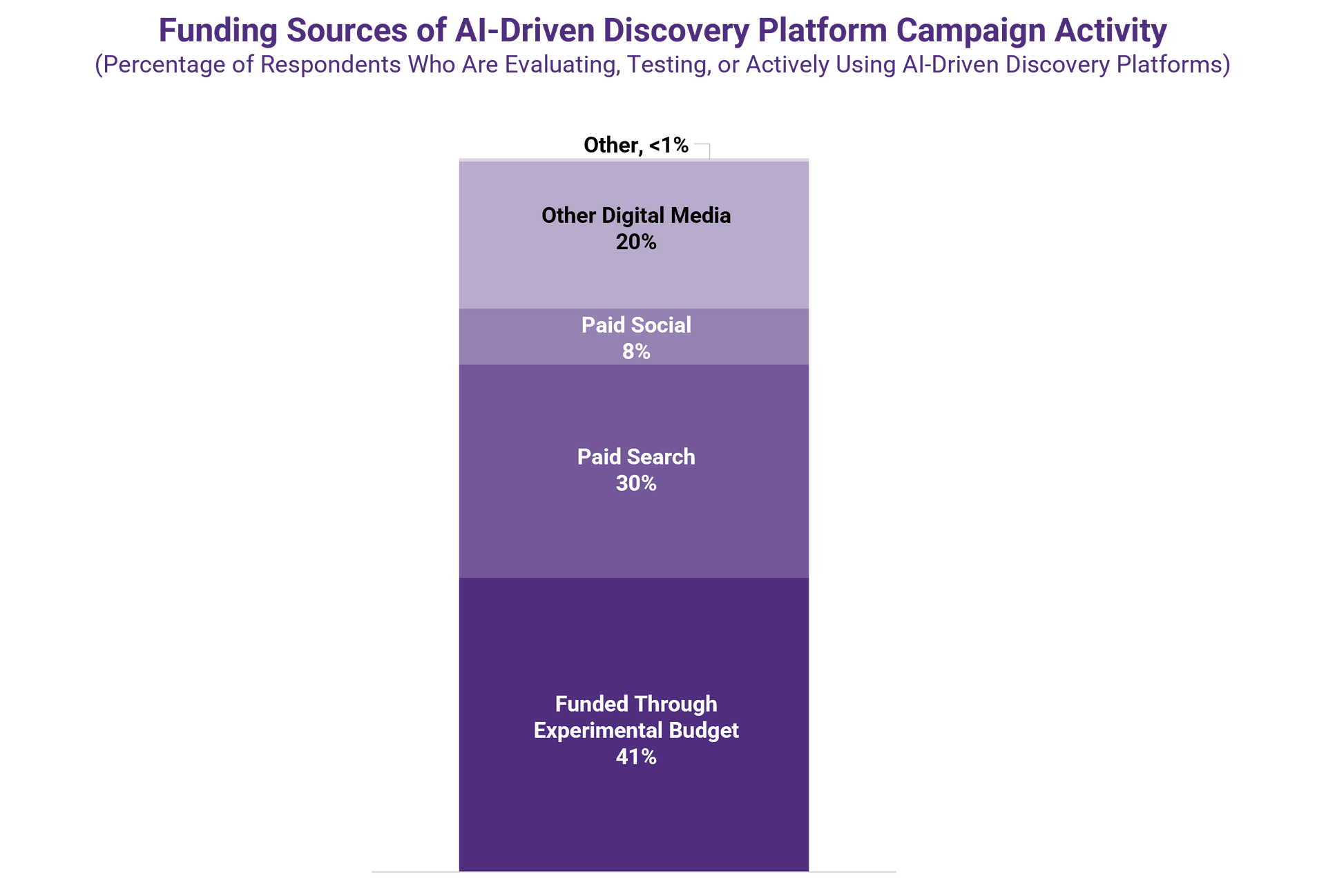
Advertisers are taking notice but spend remains limited. Grant Thornton Stax research found that average allocations to AI-driven discovery platforms represent less than 2% of digital advertising budgets, with most current investment funded through test-and-learn initiatives rather than recurring media budgets.
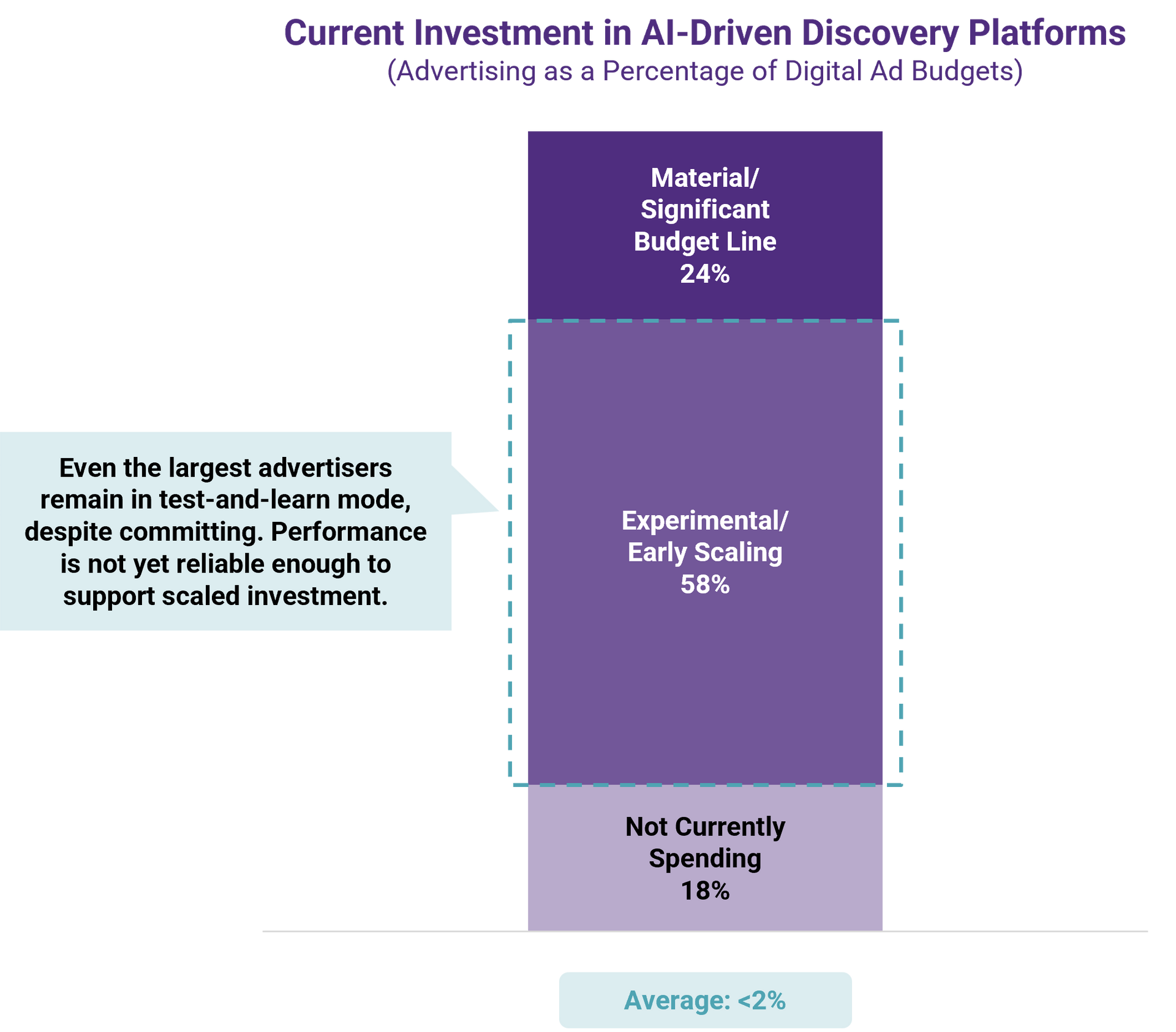
Industry dynamics also matter. Retail and CPG brands, for example, appear more willing to test emerging AI channels, supported by greater applicability to upper- and mid-funnel advertising objectives. Regulated sectors such as financial services and healthcare tend to move more cautiously given brand-safety and compliance requirements.
As a result, adoption is likely to broaden gradually rather than uniformly. Near-term spend should remain concentrated among organizations with sufficient budget flexibility, relevant use cases, and a higher tolerance for experimentation.
At the same time, platforms will also need to bolster measurement, targeting, campaign infrastructure, and advertiser workflows to translate engagement into repeatable performance. This creates opportunity not only for the AI platforms themselves, but also for the technology and services providers that enable brands to operate effectively across them. As a result, the opportunity around AI discovery may develop before paid advertising reaches scale.
AI Discovery Could Reshape Customer Acquisition Economics
Ai-driven discovery is accelerating the shift toward zero-click journeys. As generative AI platforms answer more questions within their own environment, consumers increasingly can research products and gather information without visiting another website. The result is fewer referral clicks to traditional search.
Lower traffic, however, does not necessarily imply lower value. Early advertiser feedback suggests that users who originate from AI platforms may be further along in their decision process and therefore more likely to convert.
Conversational interfaces may reinforce this dynamic. Unlike traditional keyword searches, they can capture more context around what a consumer is looking for, potentially giving platforms stronger signals of intent.
For companies and brands, the implication is a shift from simply maximizing website traffic toward understanding the value of fewer, potentially higher-intent customer interactions. As AI discovery becomes a larger part of the customer journey, companies may need to rethink how they measure traffic quality, conversion, attribution, and ultimately customer acquisition cost.
AI Discovery Is Expanding the Marketing Surface Beyond the Brand’s Website
Traditional web searches have historically served as a gateway, directing consumers toward a business’ website or alternate destination. AI discovery increasingly has the potential to become the destination itself, helping consumers research products, compare alternatives, and narrow their consideration set without leaving the AI interface.
GEO is emerging as an extension of existing search optimization strategies as organizations seek to increase the likelihood that their brands appear within AI-generated responses. However, visibility extends beyond a company’s own website. Brands need to build a credible footprint across the broad set of sources AI platforms use to formulate responses (including owned content, third-party publications, earned media, reviews, communities, and creator content). This is already driving investment in tools and services supporting AI discovery.
As AI becomes a more important destination for product discovery, brands will need new tools and services to influence visibility, manage their information footprint, and measure outcomes across AI platforms. For investors, this creates a "picks-and-shovels" opportunity across service providers and enabling technologies that may develop before paid AI advertising reaches meaningful scale.
Performance, Control, and Economics Will Determine Whether AI Advertising Scales
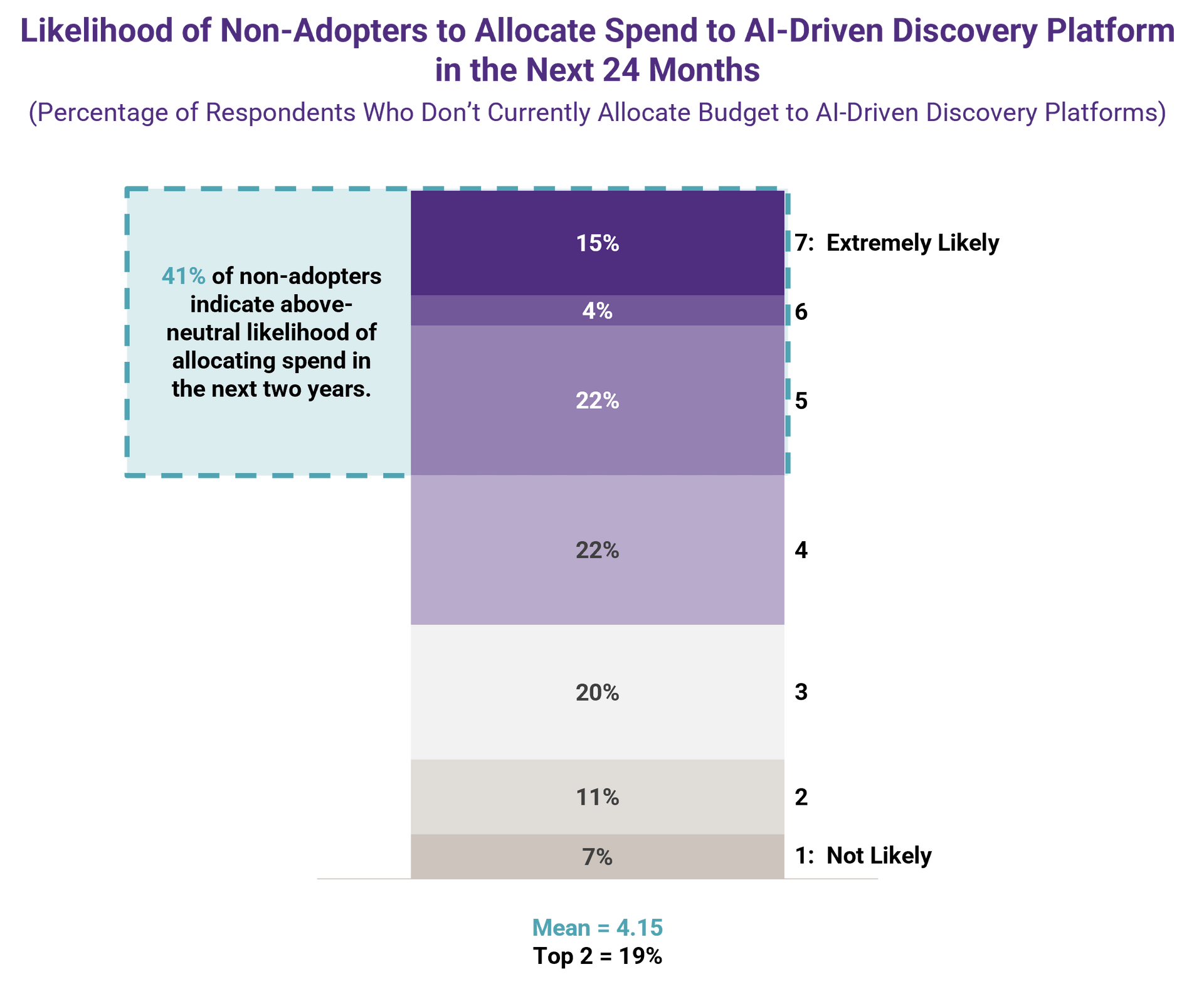
Advertiser interest alone will not drive meaningful budget growth. AI platforms still need to close gaps across three areas: measurement and targeting, brand safety and control, and campaign economics.
Measurement remains the most immediate constraint. Advertisers need confidence in attribution, incrementality, conversion measurement, and return on advertising spend before shifting meaningful ad dollars from proven channels. Limited campaign histories and small test volumes currently make it difficult to establish consistent performance benchmarks.
Generative environments also introduce a different form of brand-control risk. Advertisers currently have limited control over the content surrounding a paid placement, creating concerns around inappropriate placement, inaccurate claims, and the perceived independence of AI-generated recommendations.
Lastly, the economics need to improve. Limited inventory, narrow ad formats, and high entry costs can make testing difficult to justify, particularly for smaller advertisers. Broader inventory and more mature campaign tools should improve accessibility, but platforms will need to scale monetization without undermining the consumer experience that makes AI discovery valuable in the first place.
Until those gaps close, AI advertising is likely to remain as an experimental allocation rather than a core media channel. For investors, those same gaps also highlight potential opportunities for technology and service providers focused on measurement, attribution, brand control, and campaign management.
Implications for Investors
For private equity investors, the near-term opportunities are in the tools and services helping brands adapt to AI-driven discovery. Demand is emerging across content and visibility, measurement, brand control, and marketing workflows.
The implications also extend across sponsors’ portfolio. As AI changes how consumers research and evaluate products, companies may need to rethink customer acquisition strategies and marketing economics. For investors, this creates new value-creation opportunities to improve portfolio-company performance while also identifying marketing technology and services businesses that can benefit from this shift.
About Grant Thornton Stax
With unmatched software expertise across Infrastructure & Cybersecurity, Horizontal Enterprise Applications, Vertical SaaS & Payments, and Artificial Intelligence, Grant Thornton Stax delivers proprietary data-backed diligence and value creation—rooted in 15+ years and 1,000+ tracked assets. Our global team provides specialized insights across the investment lifecycle to create long-term value and drive successful exits. Click here to learn more about our Software & Technology expertise or contact us directly.
Read More