Share
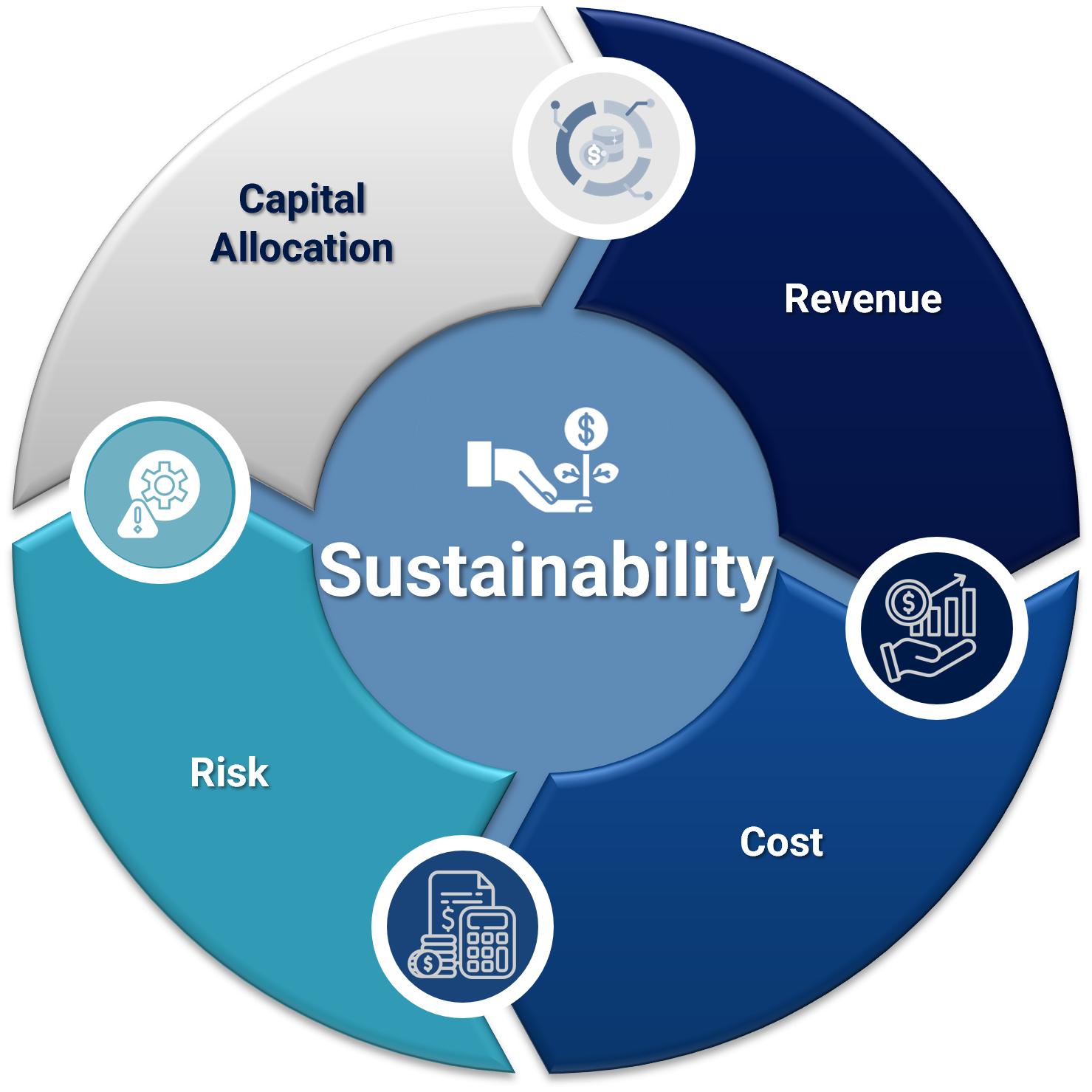
2025 marked a shift. For much of the past few years, ESG has felt reactive, shaped by external pressures (i.e., regulations, frameworks, commitments, industry initiatives), changing narratives, and the need to constantly affirm its relevance. That posture has now changed. A sharper focus on materiality and value creation is moving the work away from explanation and justification and towards decision-making and execution. The business case becomes clearer when the work is internally driven and informed by a deep understanding of a company, its industry, and the commercial trends shaping performance. Less complexity and more simplicity bring the most salient ideas into focus, particularly where sustainability intersects with revenue, cost, risk, and capital allocation.
With that backdrop, here are my Top 10 ESG Trends for 2026. These are not predictions per se, but more so perspective and context on where the work is heading. The intent is to underscore ESG’s continued relevance by showcasing how sustainability is increasingly influencing the macro environment, business decisions, capital allocation, and long-term value creation.
1. Less Data, Higher Quality
Momentum is shifting after several years of increasingly burdensome (and costly) data collection. The proliferation of ESG metrics and reporting requirements has flooded companies with data, often making it harder, not easier, to identify meaningful signals. The most progress toward better business outcomes will come from companies and investors narrowing their focus to a smaller set of decision-useful metrics used to track performance, manage risk, and inform capital allocation. Less data does not mean less rigor. It means clearer signals and better decisions.
2. Purpose-Built Energy and the Rise of Geothermal
After years of treating energy choices as ideological debates, 2026 looks like the year developers start treating energy the way they treat materials or financing, choosing what works best for the project. Geothermal will see increased adoption (where it makes sense) because it is clean, efficient, and draws on a durable energy source that can decarbonize heating and cooling while improving long-term operating economics. In 2026, more pilot programs will move beyond experimentation into broader deployment as costs come down, performance data improves, and benefits become clearer. Geothermal will not work everywhere, but where it fits, adoption will accelerate.
3. ESG’s Insights Yield Gets Taken Seriously
By 2026, ESG will be evaluated less on the volume of data produced and more on the insights it delivers. Pound for pound, ESG data can deliver outsized signals relative to other non-financial inputs because it often sits at the intersection of cost structure, operational risk, regulatory exposure, and value creation. More firms will start using ESG data as a direct input into underwriting and portfolio planning, rather than treating it as a parallel workstream. The advantages will come from triangulating this data with financial data, research, and industry context so analysis directly informs diligence findings and value creation priorities.
4. Sustainability Strategy Starts Before the Deal Closes
The next evolution of sustainability in private equity is moving upstream. Rather than treating it as a post-close exercise, firms are increasingly defining sustainability priorities during the deal process itself. Doing so allows investors to underwrite upside, prioritize risks earlier, and avoid retrofitting priorities after ownership begins. When done well, this pre-close clarity translates into a practical value creation playbook that gives operating teams a focused roadmap from day one and accelerates execution. Sustainability works best when it is embedded as part of the investment thesis, not added after the fact.
5. Climate Adaptation Becomes Acceptable, and Necessary
Climate strategy is no longer about mitigation. As physical and transition risks intensify, climate adaptation is emerging as a core pillar, particularly in asset-heavy and climate-exposed sectors. Best practice is shifting toward formal climate risk assessments that address emissions reduction, future emissions avoidance, and adaptation to a climate that, let’s face it, has already changed.
6. Sustainability Becomes an Innovation Engine
Sustainability will increasingly be recognized as a source of innovation, not a trade-off against it. History offers a clear precedent: tighter fuel efficiency standards helped accelerate the development of hybrid and electric vehicles by forcing automakers to rethink design, performance, and energy use. A similar dynamic is playing out across industries as sustainability concerns push firms to redesign products, processes, and supply chains. The companies that treat sustainability as an innovation input, rather than a compliance obligation, are likely to lead on both differentiation and performance.
7. Ceding the Future Has Consequences
Pullbacks in US renewable investment are beginning to carry visible strategic costs. As federal support for technologies like offshore wind is curtailed, the US risks ceding not just capacity, but innovation, supply chains, and long-term competitiveness to countries that continue to invest aggressively, particularly China. This is not simply a ‘source of energy’ debate. It is about who controls the technologies, cost curves, and expertise that will define future energy systems, industrial competitiveness, and energy security. In a global marketplace, stepping back does not pause progress, it reallocates it, along with the capital and talent that follow.
8. Blended Finance Grows Up or Gets Left Behind
With public funding constrained, the pressure to mobilize private capital toward impact has intensified. Blended finance is often cited as the solution, but unlocking more private wealth will require fluency in the language of institutional investors and framing opportunities through a commercial lens. Structures that rely on goodwill or concessionary framing will struggle, while those that clearly articulate risk, return, and downside protection will attract capital. The next phase of blended finance will be defined less by intent and more by execution.
9. The End of DEI, and the Beginning of Something Better
Organizations are moving beyond the DEI label toward a more mature, meritocratic approach focused on outcomes rather than optics. Much of the backlash has stemmed from reducing DEI to demographic box-checking, obscuring its original purpose: widening the talent pool, building stronger teams, and creating environments where people can perform at their best. The next phase emphasizes potential, complementary skills, and inclusion as drivers of performance, not ideology. Call it DEI or call it something else, but the work is evolving toward a clearer, more disciplined focus on how organizations identify talent and drive better results.
10. AI Governance Comes Before AI Scale
As AI adoption accelerates, governance is becoming a prerequisite, not an afterthought. The old “move fast and break things” mindset that defined earlier waves of tech adoption has left behind gaps in oversight, controls, and trust that are proving difficult to unwind. As AI roles proliferate across product, engineering, strategy, and automation, the absence of clear accountability around ethics, data security, and use cases is becoming a material risk. The next wave of adoption will favor firms that establish senior AI governance leadership before ramping execution, bringing order to a space that can no longer afford to break first and fix later.
BONUS: The Fossil Fuel Supply–Demand Paradox
Following the capture of Nicolás Maduro and renewed efforts to revive Venezuela’s oil infrastructure, a familiar narrative has resurfaced: expanding supply will restore the long-term viability of fossil fuels. In reality, increasing supply may ease prices in the short term, but it does little to address weakening demand fundamentals.
Most major oil companies and commodity traders now model global oil demand peaking or declining well before 2040, reflecting efficiency gains, electrification, and changing consumption patterns. In 2026, more investors recognize that while political actions can prop up supply, they cannot manufacture sustained marginal demand, increasing the risk that new oil infrastructure becomes stranded sooner than expected.

About Grant Thornton Stax
Now part of Grant Thornton Advisors LLC, Grant Thornton Stax is a global management consulting firm serving corporate and private equity clients across a broad range of industries including software/technology, healthcare, business services, industrial, consumer/retail, and education. The firm partners with clients to provide data-driven, actionable insights designed to drive growth, enhance profits, increase value, and make better investment decisions. Please visit www.stax.com and follow Grant Thornton Stax on LinkedIn, Instagram, Threads, and Facebook.
Read More